
The Compounding Cost of Severe Droughts
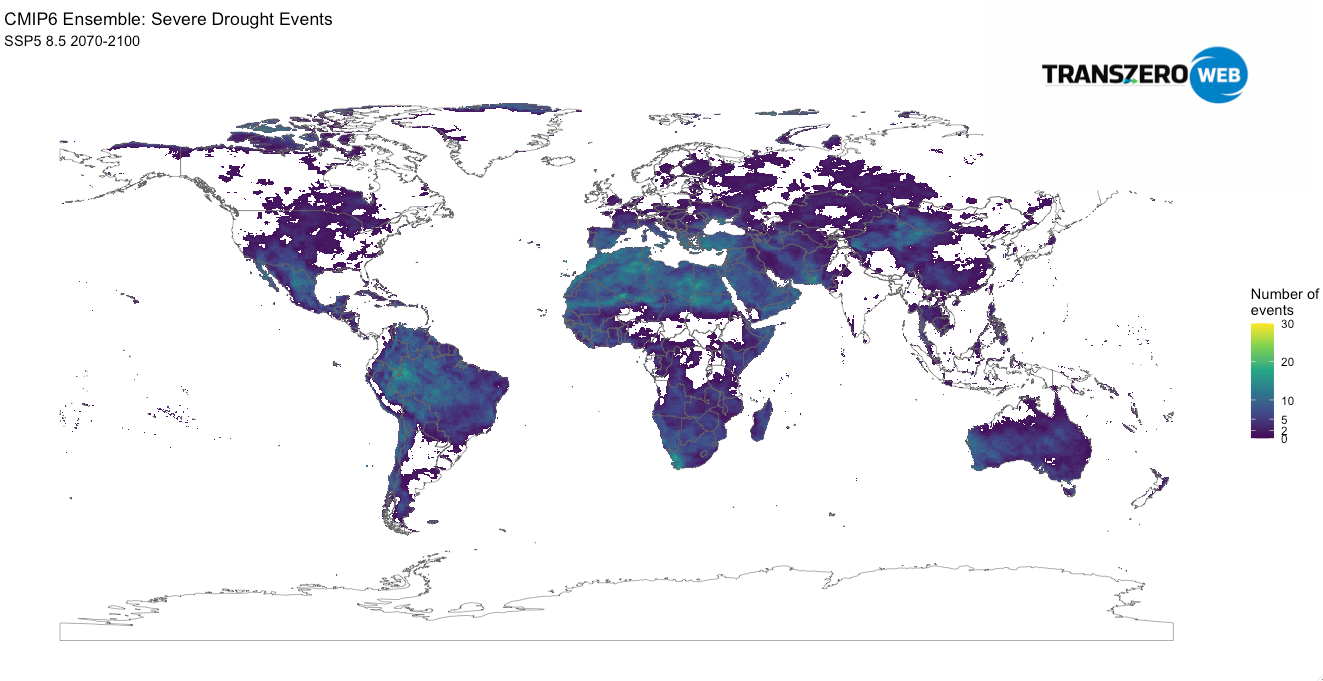
SSP5 8.5, 2070-2100: CMIP6 Global Drought Modelling (TransZero 2026)
Driven by global warming, it’s estimated that areas experiencing drought increased by 74% from the preceding four decades (Nature). Climate models also show broad agreement that future severe drought risk looks set to rise significantly for most regions in the coming decades. Aside from the immediate and short-term shocks that droughts cause to agricultural and energy production, this feature discusses the cascading impacts that drought can cause to financial lines, supply-chains, and wider society. In developing TransZero’s new Drought model component, new research on global drought trends for this peril are also discussed.
The average global temperature in 2025 was 1.44 °C above the 1850-1900 average (WMO) and despite 2025 beginning and ending with a La Niña phase of weather, which typically has a cooling effect on the earth’s temperature, it still became one of the warmest years on record. A number of regions around the world experienced drought conditions in 2025.
The UK, Central and Eastern Europe all experienced unusually low rainfall from early 2025 that continued through to the summer, resulting in critically low reservoir levels, widespread hose pipe bans, and a surge in wildfire outbreaks by mid-late summer. It has been estimated that revenue among UK arable farmers from the 2025 harvest was reportedly £828 million GBP lower than expected due to the spring-summer drought (ECIU).
While it is typically the rapid-onset disasters of hurricanes, tornados and floods that we associate with extreme weather damages, the impacts of a warming planet are equally as demonstrable through slow-onset disasters like drought. While drought conditions across central Europe in 2025 caused losses last year, impacts from the five most severe droughts in the U.S. over the last 40 years have totalled losses of more than $89.5 billion USD (Table 1)(weather.com).
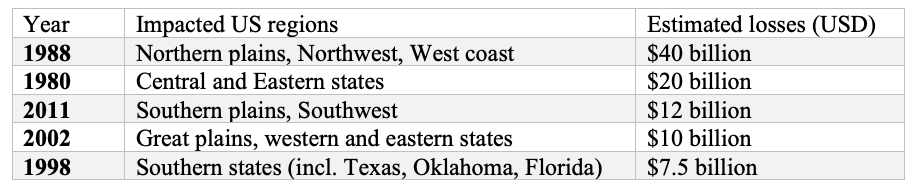
Table 1: Costliest US droughts (1980-2011) (Source: weather.com)
Cascading disasters
The more immediate effects of severe drought are the shortfalls or failed harvests and potential loss of livestock due to chronic water shortages. These impacts are manifestly worse for agrarian economies and subsistence farms. If river catchments and reservoirs continue to run low, energy production can be hit as hydroelectric plants struggle to operate. One study by the University of Alabama in 2024 (UA 2024) estimated that periodic drought conditions over an 18-year period had contributed to a $28 billion USD shortfall in revenue due to lower energy production and its’ cascading impact on nationwide energy prices.
As Figure 1 highlights, indirect impacts from droughts typically follow-on from the initial direct shocks and relate to the broader unintended, cascading consequences of these events. In December 2024, the world’s Arabica coffee supply bore the burden of severe simultaneous droughts across Brazil, Vietnam and Columbia. The result was a surge in global coffee prices as supply couldn’t keep up with demand. Similar trends have been witnessed around staple crops such as rice, maize and wheat. The consequence can be delayed inflationary pressures on global consumers as food bills start to increase.
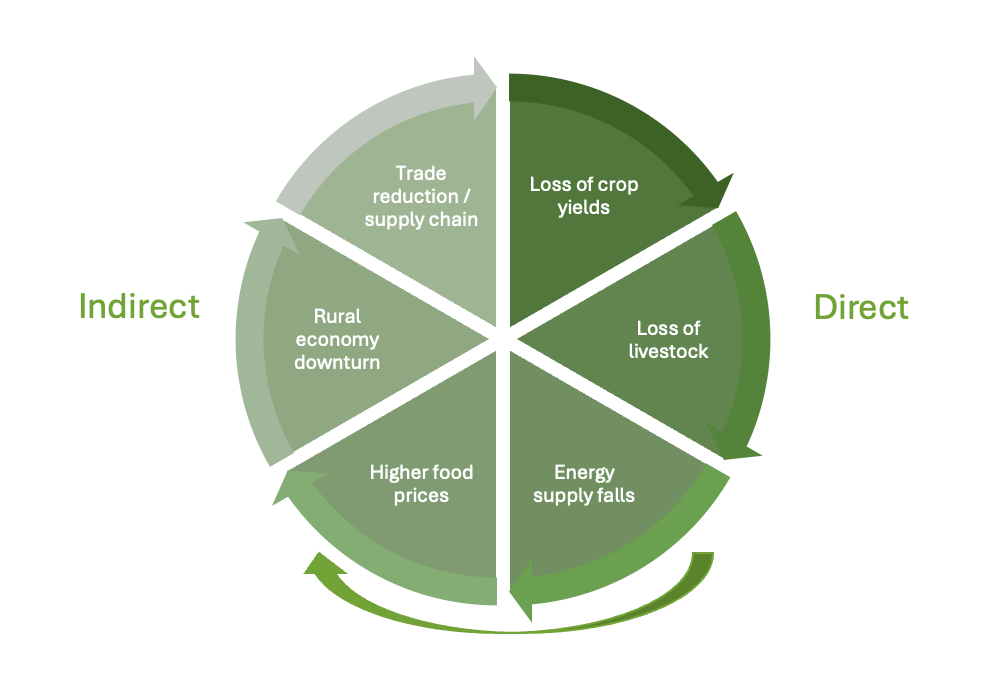
Figure 1: Compounding impacts of drought risk (TransZero 2026)
More recently, the world has witnessed drought events that have had much broader impacts on global supply chains. Between 2022 and 2024, an El Niño weather pattern led to 25% less rainfall supplying Panama’s Lake Gatun and Alhajuela lakes for an extended period of time. Given that both lakes are critical catchments supplying water to the Panama canal, the resultant low levels of the canal led to it being unnavigable for large vessels reliant on it for maritime trade. The U.S. was particularly impacted, with over 40% of all its container traffic passing through the canal. It was estimated that the drought led to a 29% drop in vessel transits during 2024. With over 90% of global trade conducted through maritime transport, such these transit points are particularly vulnerable chokepoints.
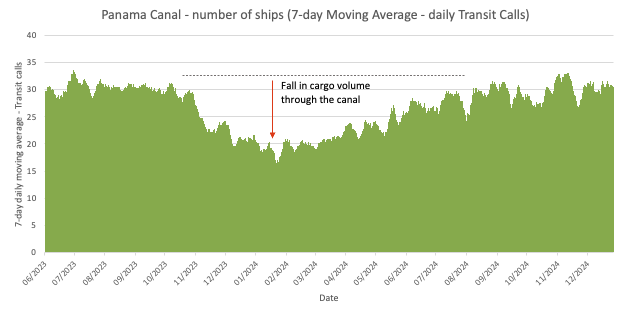
Figure 2: Daily transit of cargo ships through the Panama Canal (Source: UN Global Platform; PortWatch)
Financial losses can compound through the disrupted deliveries of goods and stock, becoming a material concern for global commerce. The impact of empty shelves and shortfalls in production represent both a long-term reputational risk as well as hitting short-term profitability. Similarly, with many companies’ purchasing BI and CBI protection (business interruption and contingent business interruption), such events pose an unforeseen risk to the wider insurance market.
Drought Modelling
To help our clients model their exposure to this climate peril, TransZero have developed new global drought risk models for current and future climate change scenarios utilising a methodology based around a Standardized Precipitation Evapotranspiration Index (SPEI).
By comparing rainfall and temperature shifts in any given month for every location in the world to the long-term moving average for the same region, the degree of divergence in the probability distribution can be assigned. In this case, an ensemble of CMIP6 global climate models (GCMs) were then used to create a moving 30-year time-window and count the number times ‘drought’ events occurred in that period.
It’s important to mention that the process of defining a drought is highly subjective. From the weather indices chosen to the severity and temporal assumptions of how long the drought lasts, all have an impact in drought classification. For example, many regions of the world are permanent or semi-permanent deserts while others experience dramatic changes in annual rainfall and temperature linked to cycles of wet and dry seasons.
TransZero’s research focused on ‘events’ that were characterised through successive months of a moving 12-month SPEI index dropping below a threshold. By repeating this process for multiple Shared Socioeconomic Pathways (SSP) and time horizons through to 2100, a rich dataset of drought events could be documented (Figure 3).
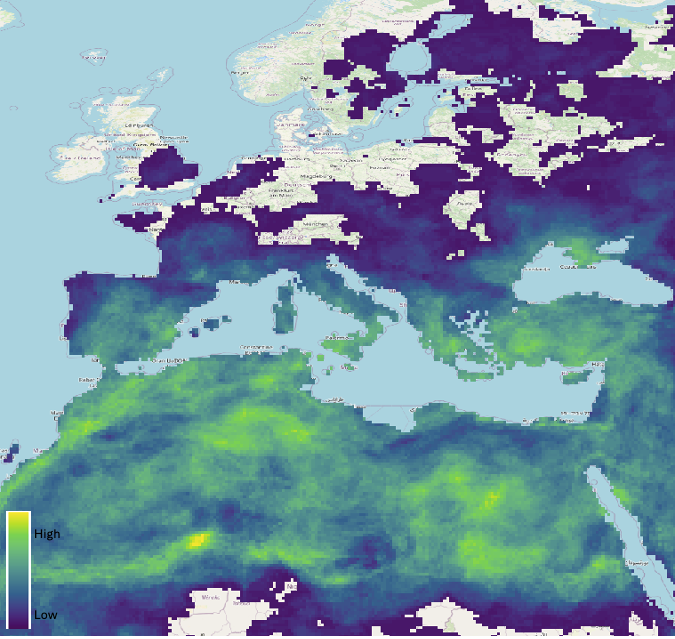
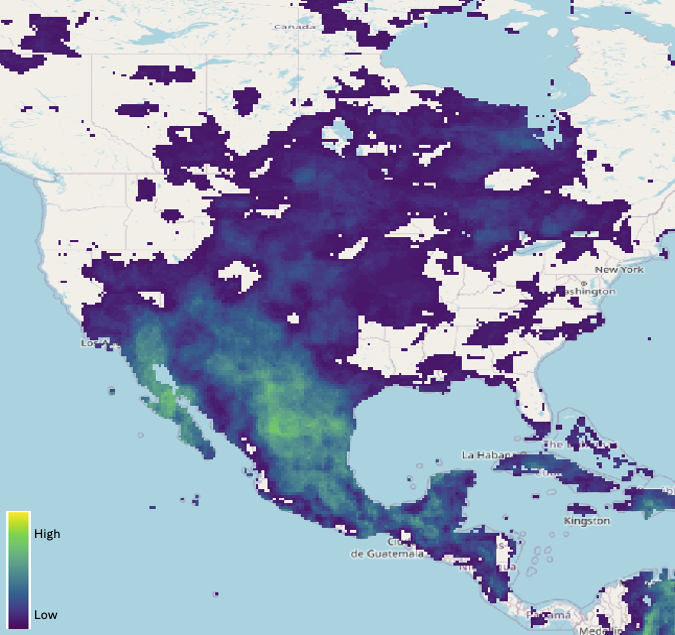
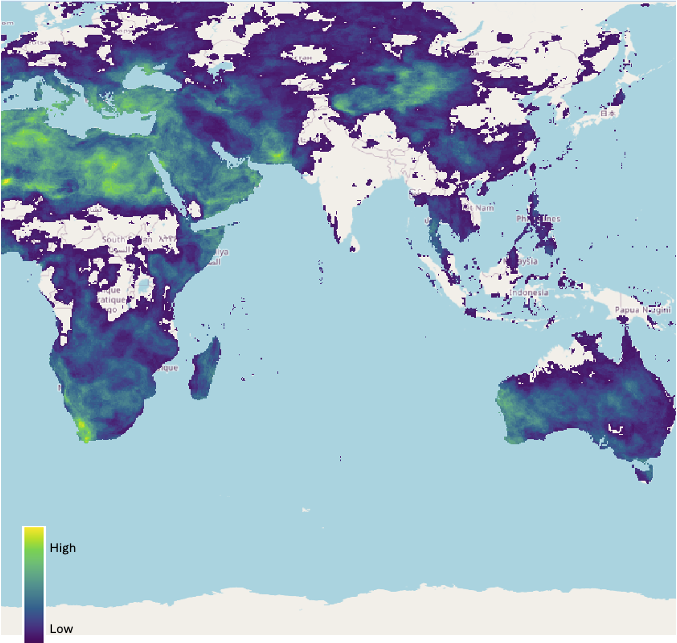
Figure 3: CMIP6 Ensemble changes in drought events for global regions (SPEI events, SSP5 8.5 2070-2100)
While accounting for known regional differences in climate seasonality, several trends were noted - the more extreme the climate scenario (e.g. SSP5), the more frequent the occurrence of severe drought events predicted. This pattern of increased drought events was observed in most regions to a greater or lesser extent. While known arid and semi-arid regions continued to experience drought weather events, it was the notable increases of severe droughts around the mediterranean, Western Australia, South America and the Southern and Central states of the U.S. that saw the most significant increases. Similarly, a more general trend of increasing drought extents was noted in higher northern latitudes - indicating locations that were experiencing drought for the first time under the more severe future climate scenarios.
Why drought modelling matters for business strategy
Drought poses are major risk to global businesses and it’s vital that companies are able to quantify which assets and operations are located in high-risk zones. Assessing financial resilience against this risk helps stress test portfolios and operations. Of particular importance is how current and future drought risk impacts a company’s supply chain and vulnerable nodes within their network to water stress. Optimisation, and building redundancy in through diversification of suppliers as well as safeguarding resources through sustainable technologies.
While often overlooked, businesses have to be mindful of how governments will respond to drought with regulations, water use restrictions, rationing, or price adjustments. These second order (indirect) impacts should be anticipated by companies to avoid disruptions.
As global temperatures and drought look set for a continued rise in the coming years, companies need to take a proactive stance on drought risk assessments and modelling if they're to stay ahead of this compounding climate peril.
References
https://pubmed.ncbi.nlm.nih.gov/40468063/
https://weather.com/news/news/billion-dollar-droughts-20120710
https://news.ua.edu/2024/09/hydropower-industry-lost-billions-in-drought/
Transzero are a team of dedicated climate risk specialists, helping companies understand how climate risk will impact their business. If you’re interested to learn more about the Transzero’s climate risk services, please contact: info@transzero.co.uk
© 2026 TransZero Ltd
